
Who We Are
The hope of Lioness began as a promise made inside a Texas prison, shaped by survival and a refusal to forget the women we would one day leave behind. In 2022, that promise carried us back to one another on the outside, as we organized to stop the execution of Melissa Lucio. In that moment, we felt the force of our collective power and the truth of what we could build together. In that moment, Lioness was born.
Mission
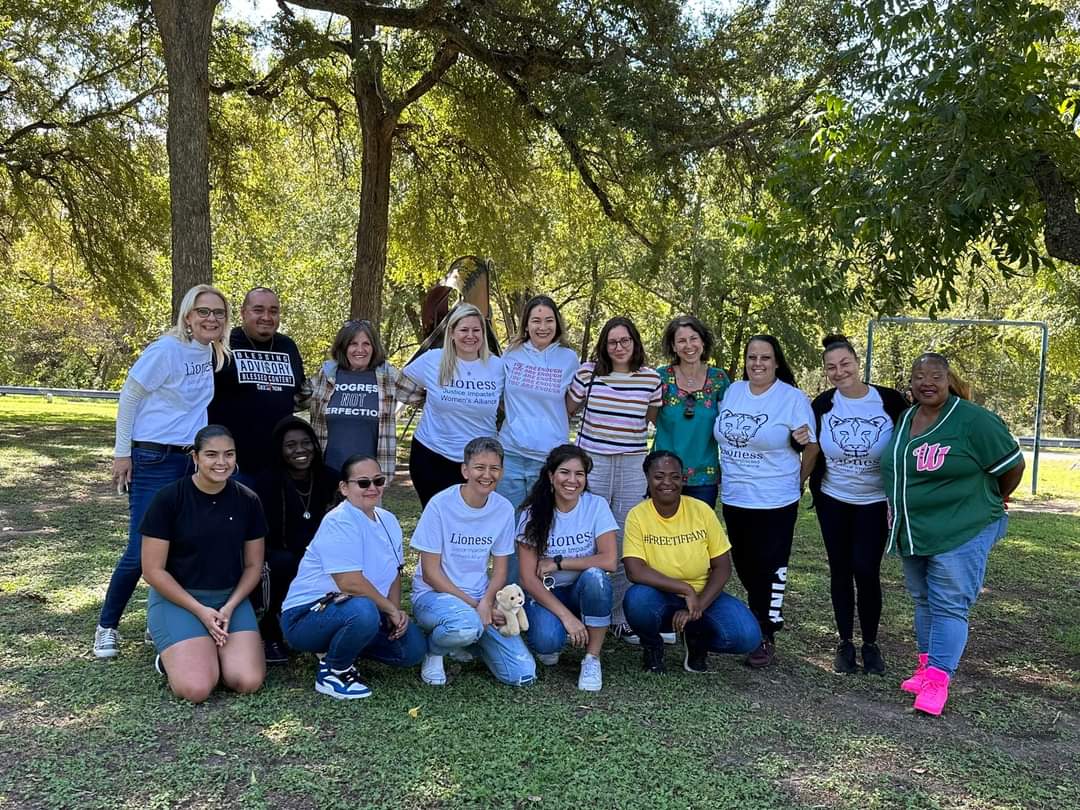
Lioness Justice Impacted Women’s Alliance is a nonprofit organization founded and led by currently and formerly incarcerated girls, women, and gender-expansive people. Our mission is to end the incarceration and systemic devaluation of our population within the Texas criminal legal system, while also building power within our communities.
Vision
We envision a society where we are spiritually, emotionally, mentally and physically free from all forms of violence and harm in the criminal legal system. Our vision can be achieved through radical advocacy, leadership development, community building, grassroot organizing and civic engagement.
Values
We believe that lived experience is the guiding force to change. We believe in honoring each other’s differences while striving to bring one unified voice of currently and formerly incarcerated girls, women and gender expansive people in Texas into all spaces. We believe that jails and prisons by nature perpetuate harm and violence.
We are committed to nurturing a space rooted in the intersectionality of the women's rights movement and grounded in the lived experiences of justice-impacted individuals. We recognize that while all girls, women and gender expansive people face systemic oppression, the ways in which we all experience oppression are different, by race, age, class, gender identity, sexuality, disability, and more. We strive to ensure that every person who connects with our work feels seen, respected, and valued.
Our Team
Our Approach
Our approach to the work is shaped by the traditions and teachings of gender, racial, disability, and LGBTQIA+ justice movements.
Gender justice challenges patriarchy and the systems that have ignored, controlled, and devalued girls, women, and gender-expansive people.
For us, that means reclaiming our power and defining our own futures.
Racial justice recognizes that the criminal legal system did not develop separately from this country’s history of slavery and segregation.
For us, that means naming those realities and challenging the policies and practices that continue to produce racial inequity.
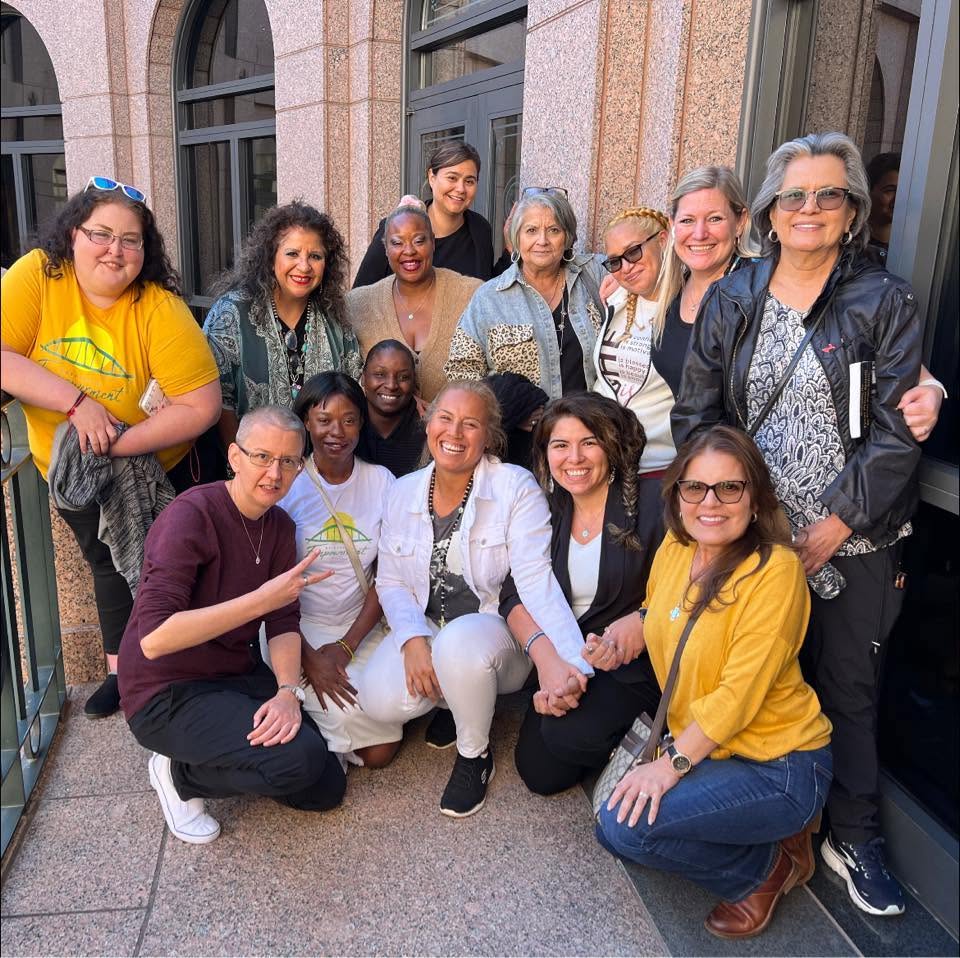
Disability justice recognizes that disability cannot be separated from race, gender, poverty, sexuality, or incarceration.
For us, that means building community where people with different bodies, minds, and needs can fully participate and lead. We are guided by the Ten Principles of Disability Justice articulated by Sins Invalid.
LGBTQIA+ justice challenges the rejection, violence, discrimination, and criminalization queer people face for living openly and authentically.
For us, that means affirming people in their full identities, honoring names, pronouns, relationships, and chosen families, while challenging policies that punish gender and sexual nonconformity.
Programs
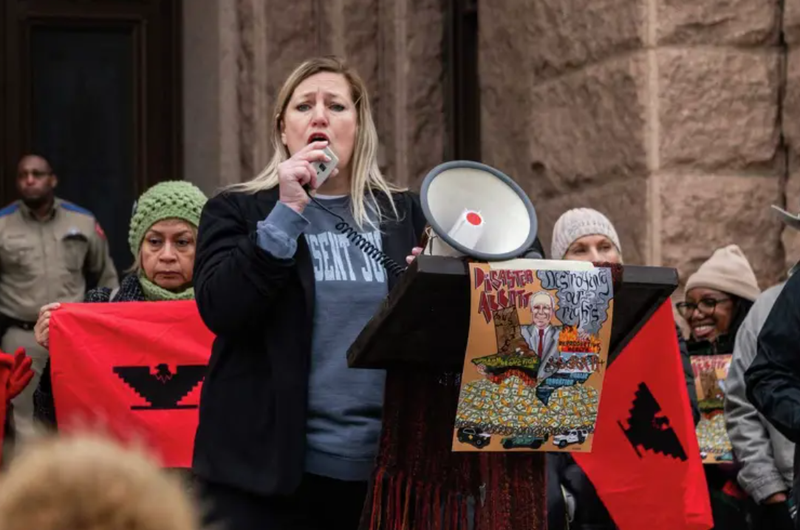
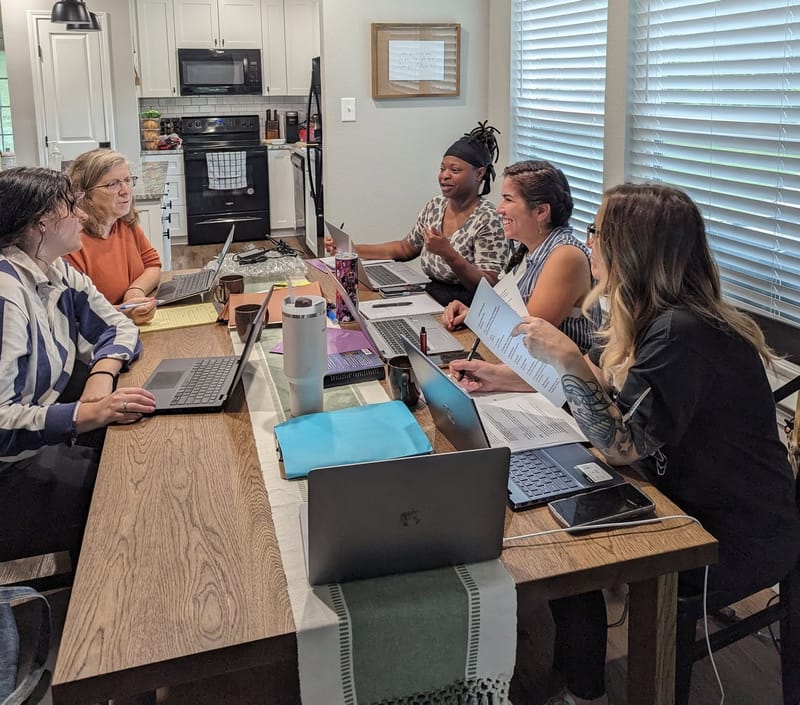
Organizing
We organize to build power by strengthening community and developing leaders.
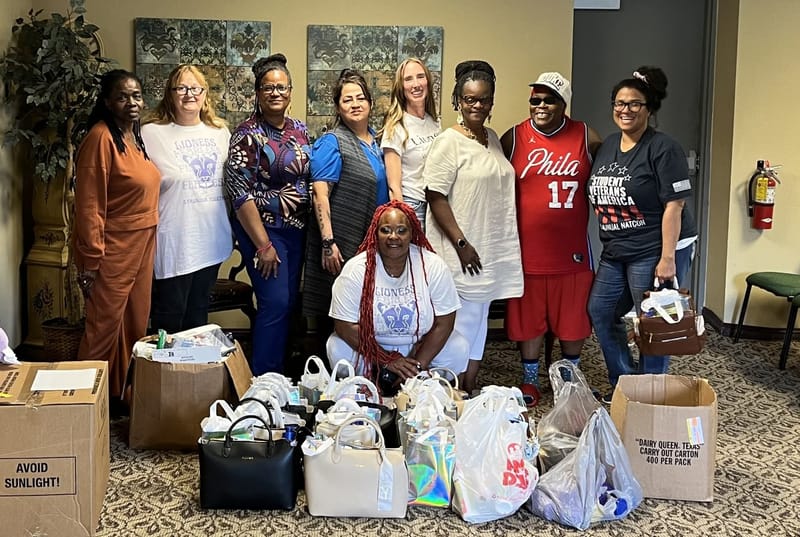
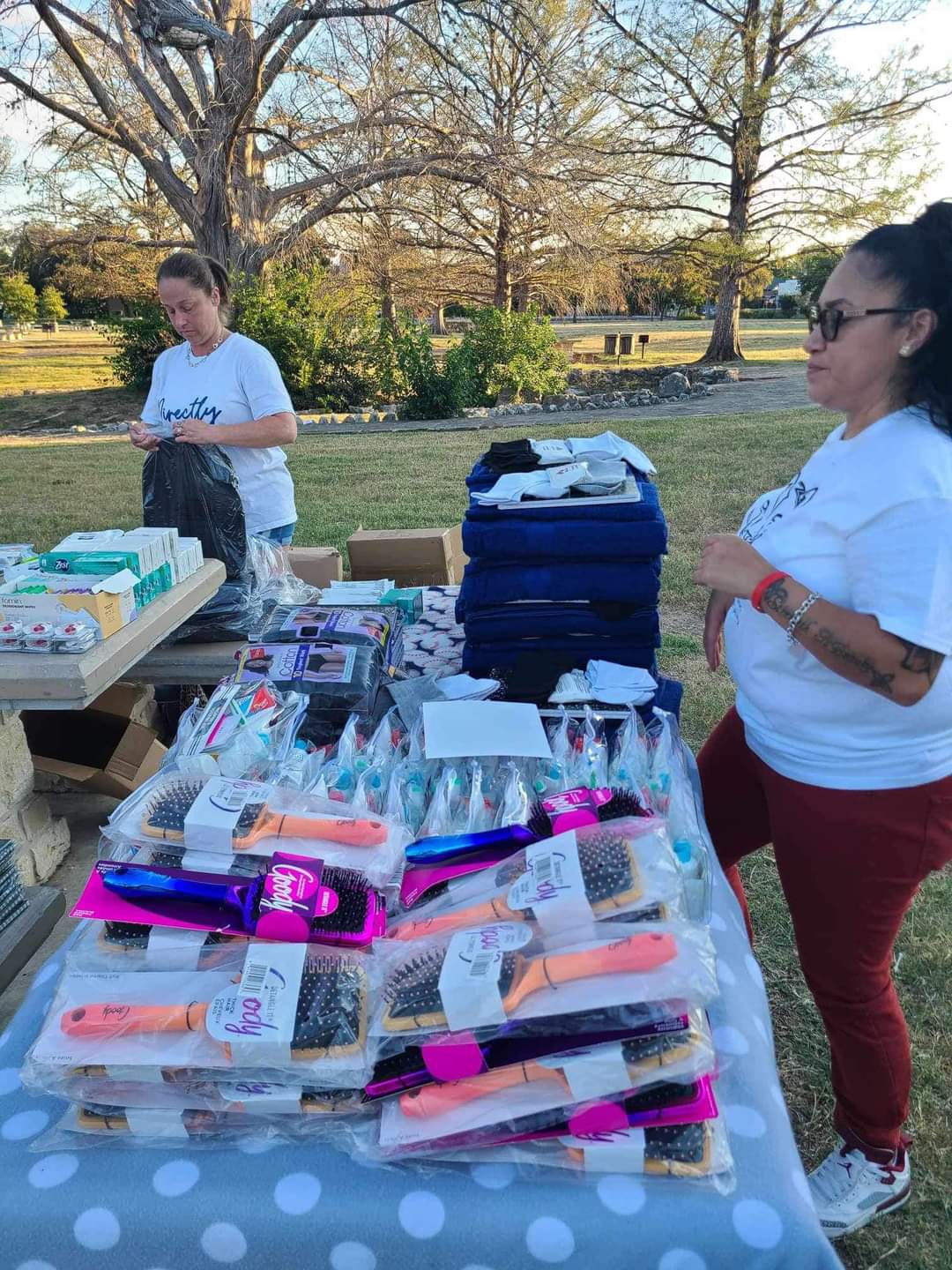
Direct Support
We provide assistance and healing-centered support that helps our community rebuild.
Calendar
Publications
Resources
 Voting
These resources help formerly incarcerated Texans understand their voting rights, check their registration, and find reliable information about elections.
 Parole
These resources are designed to help incarcerated people and their loved ones better understand and prepare for the Texas parole process.
 Elected Officials
Knowing who represents you is the first step toward influencing public policy and holding elected leaders accountable.
 State Legislature
Understanding how laws are made helps advocates participate more effectively in the legislative process.
 State Agencies
These agencies and other decision-making bodies oversee many of the systems that affect incarcerated people, and their families.
Lioness Justice Impacted Women’s Alliance
PO Box 477
Lockhart, TX 78644
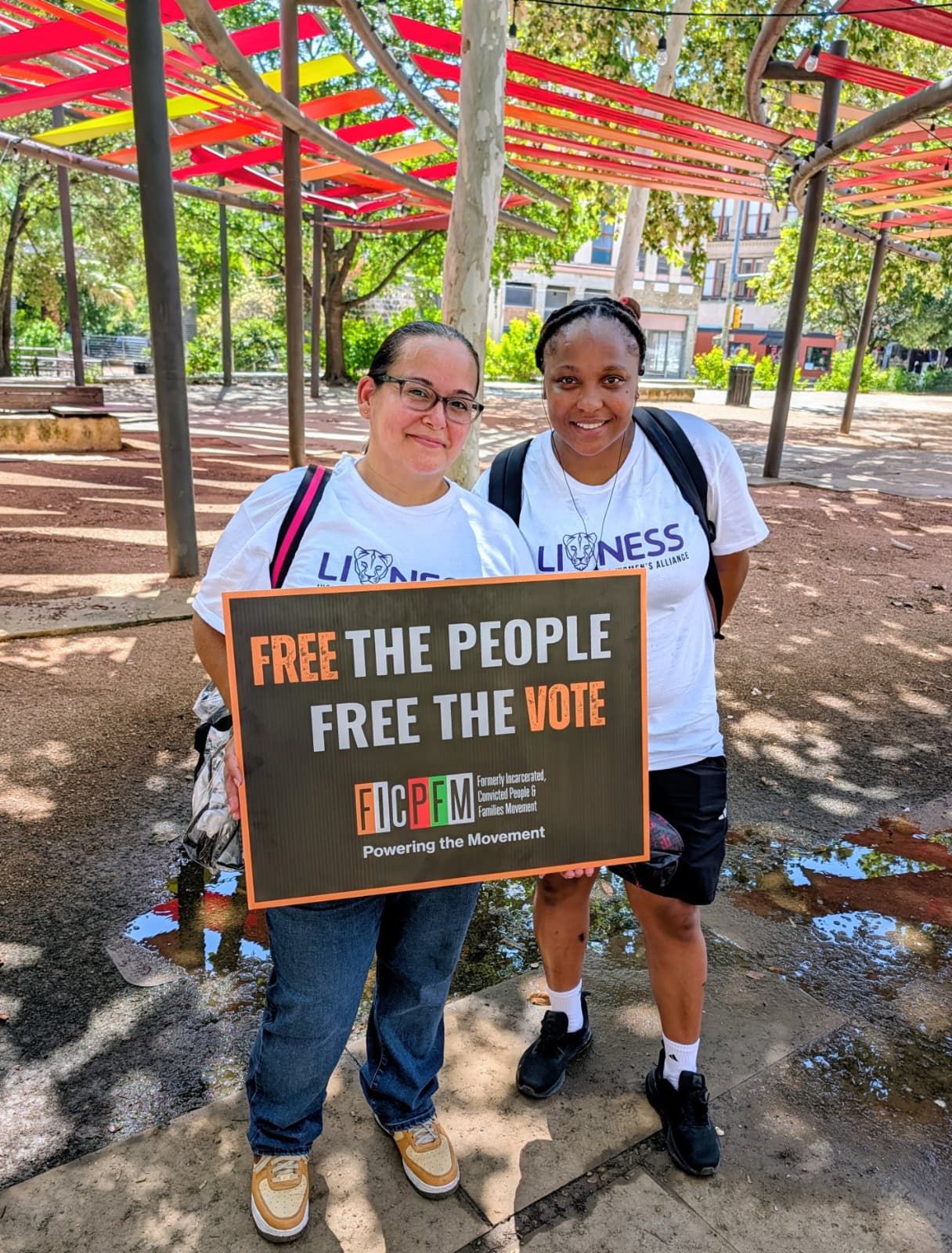
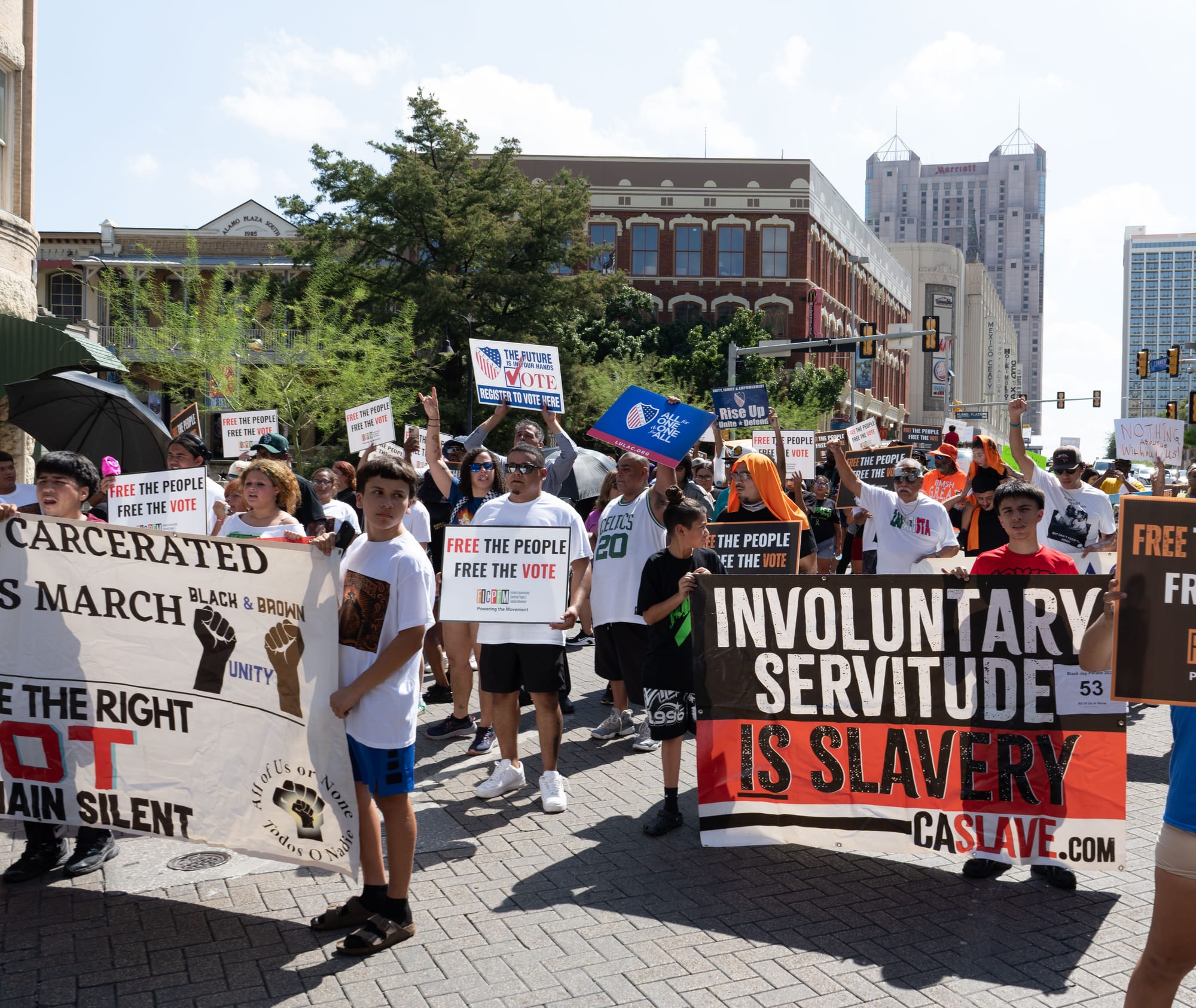
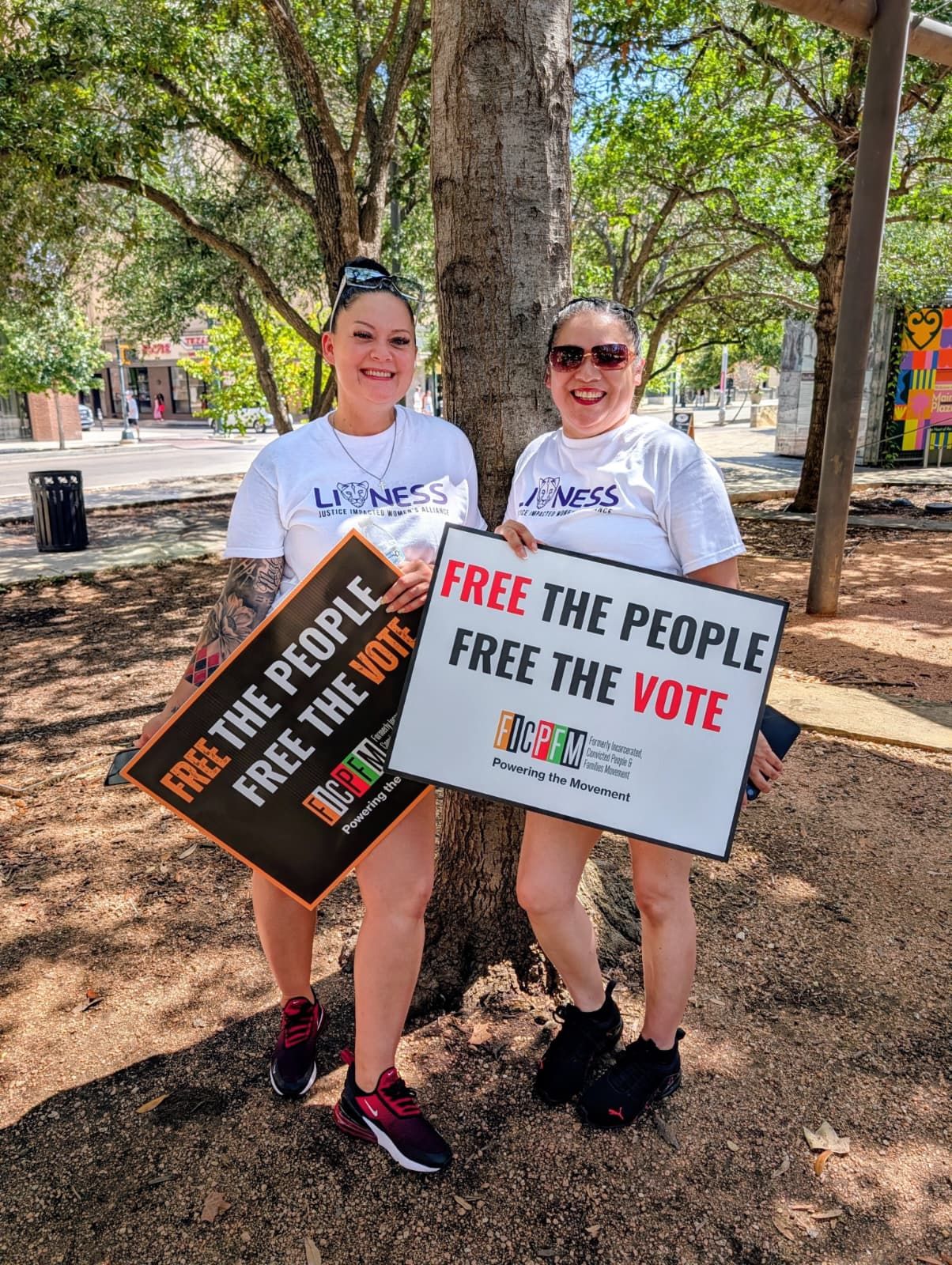
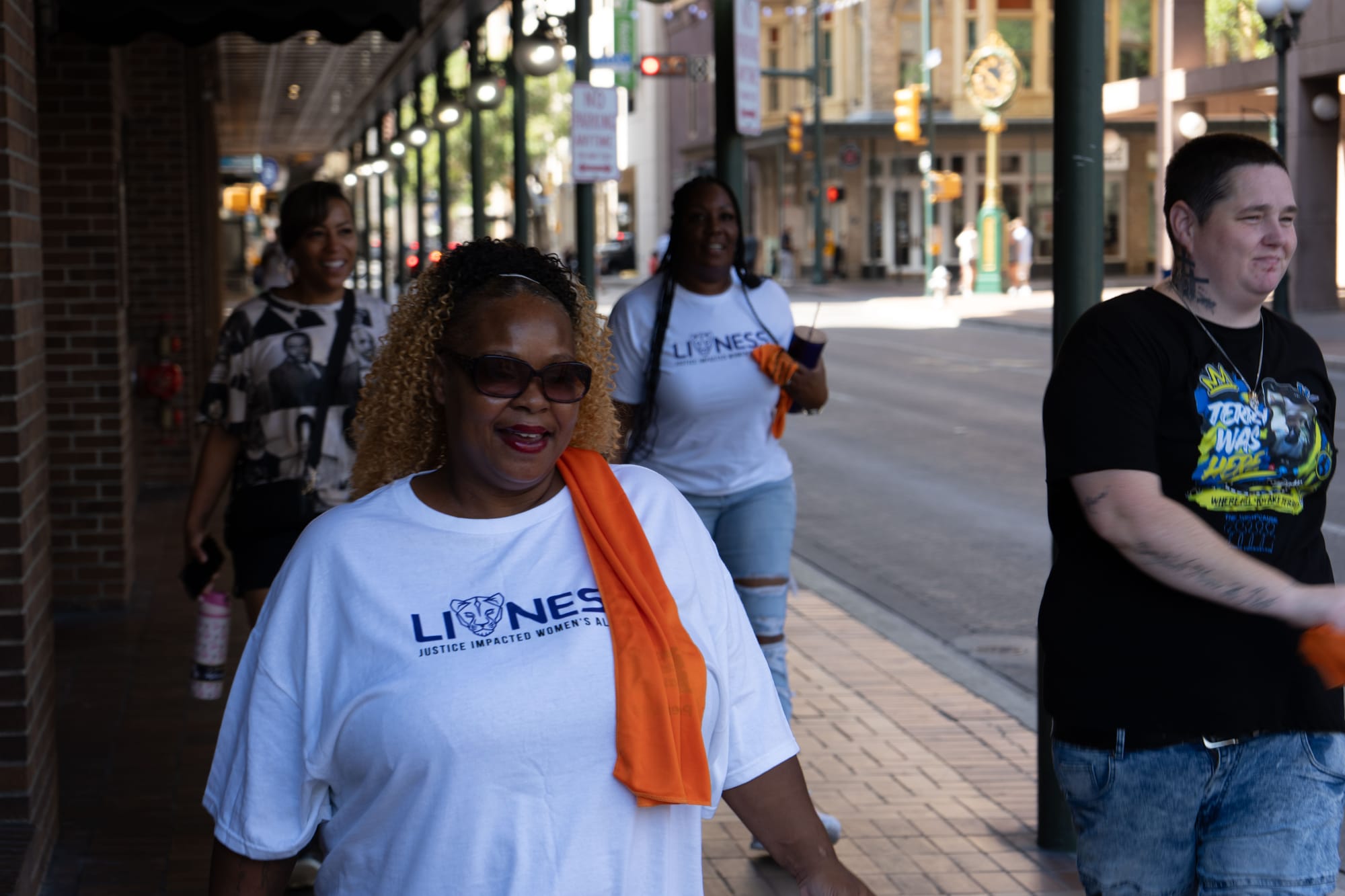
Gallery









Contact Us
- PO Box 477, Lockhart, Texas 78644
If you’re interested in becoming a member or ally, please fill out the contact form or reach out by email.