
Advocacy
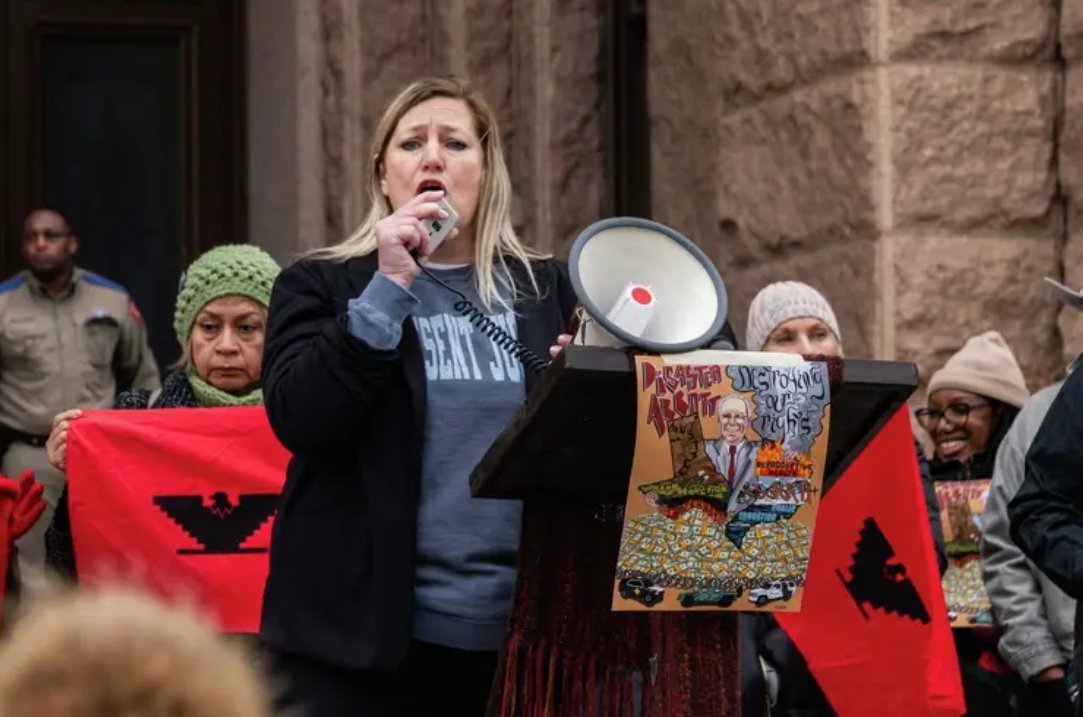
Our advocacy brings together coalition building, policy work, civic engagement, and narrative change led by people directly impacted by the Texas criminal legal system.
Our priorities include sentencing and bail, youth justice, extreme prison heat, carceral healthcare, solitary confinement, access to higher education, parole, voting rights, and civic participation.
Below are some of the systems changes we have helped advance:
Occupational Licences
We pushed state leaders to address occupational licensing barriers that prevent people with criminal convictions from rebuilding their lives. Texas expanded access to provisional occupational licenses for certain people who are incarcerated, on parole, or living in transitional facilities.
Healthcare
We exposed unsafe medical transportation practices and barriers to timely healthcare experienced by incarcerated women. State requirements were changed to establish clearer medical transportation procedures and increase access to telemedicine and on-site medical care.
Food Security
We elevated the harm caused when people return home from incarceration without immediate access to food or public benefits. State agencies are now required to assess potential SNAP eligibility and establish procedures to help eligible people begin receiving benefits upon release.
Protecting In-Person Visitation
We challenged the idea that video calls can replace meaningful connections with children, loved ones, and support networks. Access to in-person visitation is now protected in Texas prisons and state jails.
Our work has also helped move forward other significant changes, including:
- The first master’s degree program for students incarcerated in a Texas women’s prison
- Expanded peer-support programs
- Expanded access to gender-responsive personal items
- Increased trauma-informed programming
- Helped end discriminatory hair practices during prison transport
- Improved conditions and safety within the state prison hospital
These changes were not freely given. They reflect our persistence and collective power!
Lioness is a proud member of the following coalitions and workgroups:
The Parole Advocacy Coalition of Texas (PACT)
National Voting In Prison Coalition
Texas Jail Based Voting Rights Coalition
Bexar County Jail Based Voting
Clean Slate Texas
Parole Litigation Working Group
Texas Women's Care Act Coalition
TDCJ Reentry Task Force — Chair, Women’s Issues Subcommittee
Texas Observor Molly Awards Host Committee
University of Texas Prison and Jail Innovation Lab's Advisors with Direct Experience Project Team (ADEPT)